Spring Veggie Pasta Primavera
Highlighted under: Instant Meal Solutions
As the weather warms up, I find myself craving lighter, fresher meals. This Spring Veggie Pasta Primavera is my go-to recipe when I want a burst of flavor that reminds me of the season. The colorful assortment of vegetables comes together beautifully, and the whole dish takes just 30 minutes to prepare. It’s a fantastic way to use up any seasonal produce you have on hand. Plus, it’s an ideal option for a quick weeknight dinner or a delightful weekend lunch with friends!
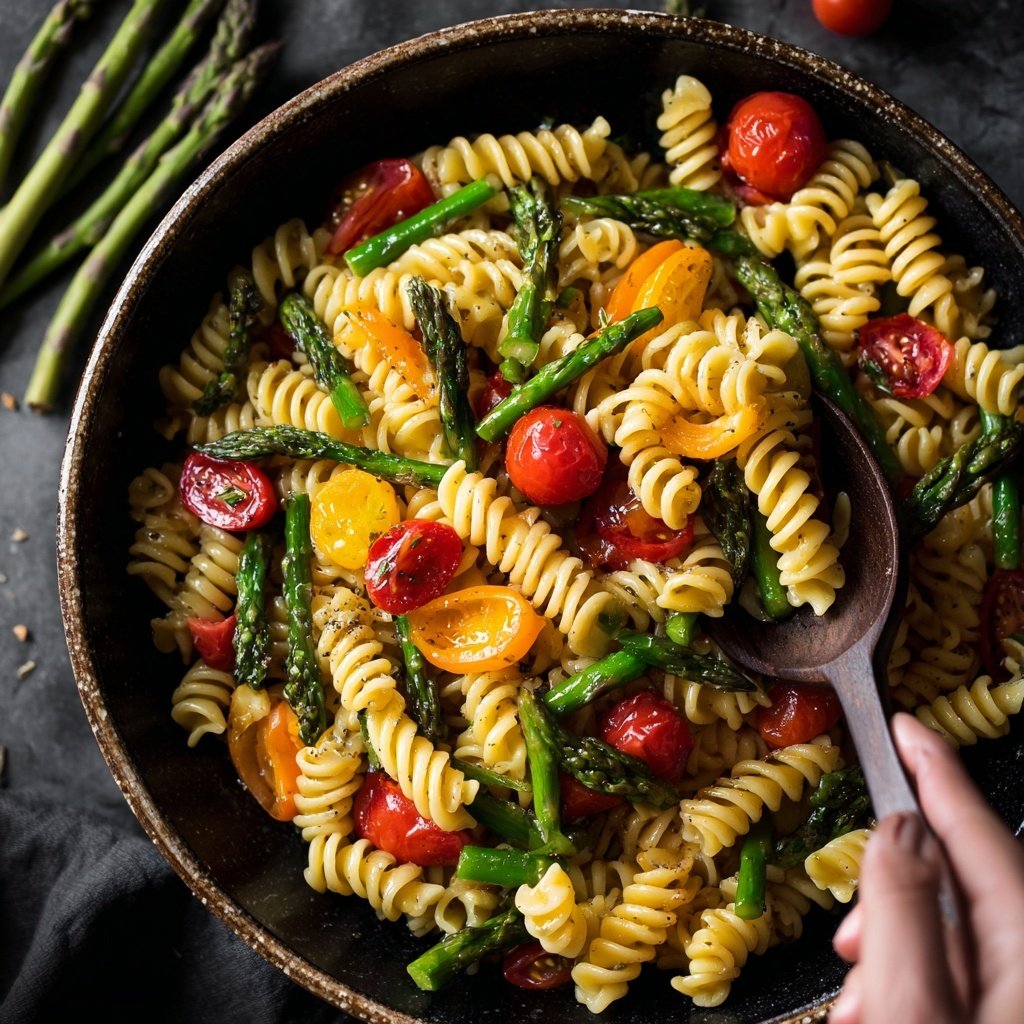
When I first crafted this Spring Veggie Pasta Primavera, I wanted to highlight the abundance of fresh vegetables available in spring. I tested various combinations, and eventually landed on a mix that brings out the best of asparagus, peas, and bell peppers. I love how simply sautéing them before tossing with the pasta adds a depth of flavor that makes the dish sing.
One of my favorite tips is to use the pasta cooking water to create a light sauce. The starchy water helps bind everything together, giving your primavera a silky finish without being heavy. It’s such a small trick that elevates the entire meal!
Why You'll Love This Recipe
- Vibrant seasonal vegetables bring a fresh burst of flavor
- Quick and easy preparation makes it perfect for any day of the week
- Light and satisfying dish that’s great for a springtime gathering
Choosing the Right Vegetables
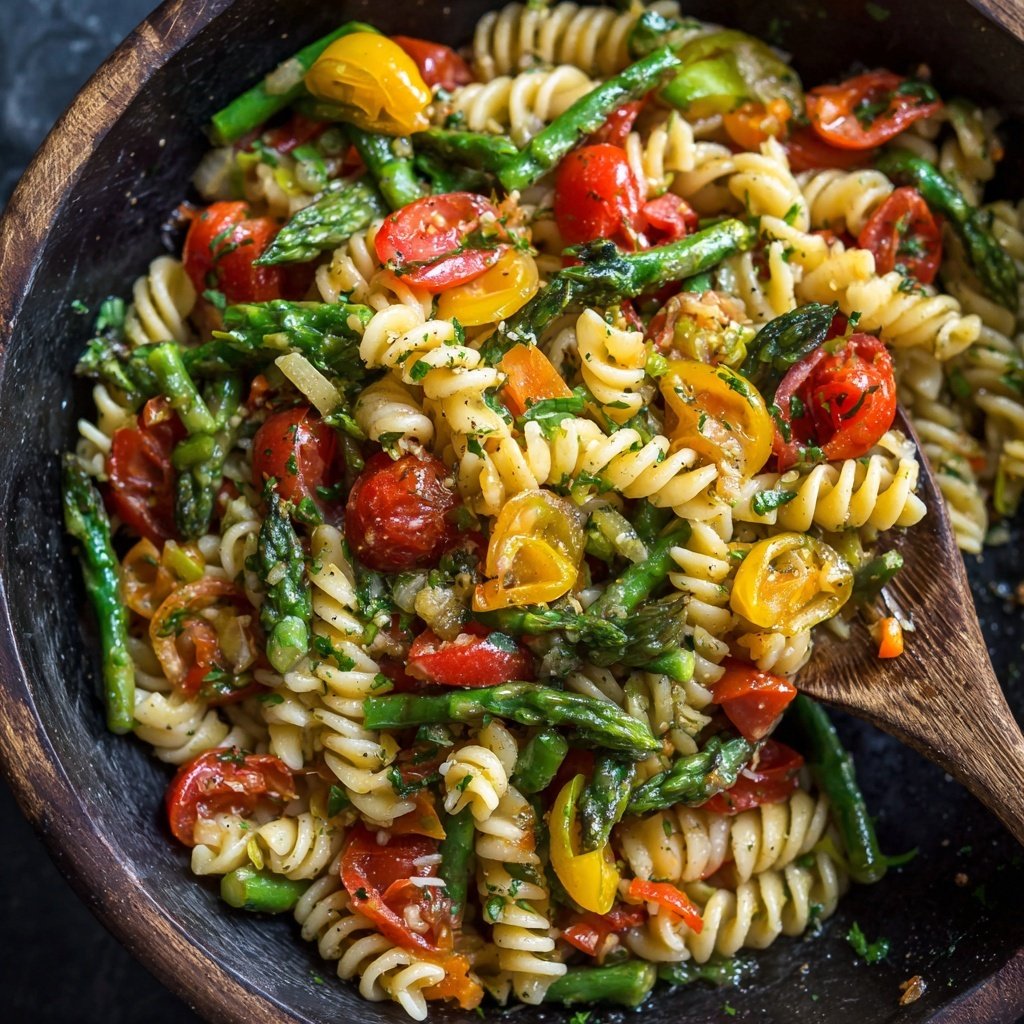
When making this pasta primavera, the choice of vegetables significantly impacts both flavor and texture. Seasonal veggies like asparagus, cherry tomatoes, and bell peppers not only enhance the dish's brightness but also contribute to a pleasing crunch. I find that using a mix of colors helps create a visually appealing dish, so don’t hesitate to incorporate other seasonal favorites like zucchini or peas. Aim for a variety of textures to ensure each bite is delightful and engaging.
To get the freshest flavor, look for vibrant, crisp vegetables. If you're purchasing asparagus, select stalks that are firm and springy with tightly closed tips. For bell peppers, choose those with smooth skin and a glossy appearance; avoid any that are wrinkled or have soft spots. Freshness is key here, as it reduces the need for prolonged cooking times, keeping your vegetables tender yet crisp.
Perfecting the Sautéing Technique
Sautéing your vegetables properly is imperative for achieving the best texture and flavor in this dish. Begin by ensuring your skillet is adequately heated before adding olive oil; this helps to prevent sticking and ensures a nice sear on your vegetables. When adding garlic, keep an eye on it to prevent burning. You'll know it's ready when it becomes fragrant—usually after about 30 seconds. Timing is crucial; if you wait too long, the garlic will turn bitter.
It’s important to sauté your vegetables in order of cooking time. Start with the firmer veggies like asparagus and bell peppers before adding the softer ingredients like sugar snap peas. By doing so, you achieve the perfect balance—each ingredient retains its integrity without becoming mushy. Look for a glossy finish on the vegetables when they are perfectly sautéed, indicating they’re ready to be combined with the pasta.
Ingredients
For the Pasta
- 8 oz penne pasta
- 2 tbsp olive oil
- 2 cloves garlic, minced
- 1 cup asparagus, cut into 2-inch pieces
- 1 cup cherry tomatoes, halved
- 1 cup bell peppers, diced
- 1 cup sugar snap peas, trimmed
- Salt and pepper to taste
- 1/2 cup grated Parmesan cheese
- Fresh basil for garnish
Feel free to mix and match vegetables according to your preference!
Instructions
Cook the Pasta
In a large pot of salted boiling water, cook the penne pasta according to package instructions until al dente. Drain and reserve about 1/2 cup of the pasta cooking water.
Sauté the Vegetables
In a large skillet, heat the olive oil over medium heat. Add minced garlic and sauté for about 30 seconds until fragrant. Then, add asparagus, bell peppers, and sugar snap peas. Sauté for 5-7 minutes until the vegetables are tender yet crisp.
Combine
Add the cooked pasta to the skillet with the sautéed vegetables. Pour in the reserved pasta water gradually, stirring to combine. Add the cherry tomatoes, salt, and pepper to taste. Mix in the grated Parmesan cheese until everything is well coated.
Serve
Serve the pasta primavera hot, garnished with fresh basil and extra Parmesan if desired.
Enjoy this light and breezy dish with a side salad for a complete meal!
Pro Tips
- Experiment with seasonal vegetables—zucchini or carrots also work well in this dish.
Customizing Your Primavera
One of the great things about pasta primavera is its versatility. Feel free to swap out any of the vegetables suggested in the recipe for whatever you have on hand or prefer. For example, zucchini adds a nice mild flavor and pairs well with a sprinkle of lemon zest for brightness. Alternatively, kale can be a wonderful addition; just sauté it for an extra minute or so until it wilts before combining it with the pasta.
For a protein boost, consider adding grilled chicken or shrimp. Simply season your protein lightly and grill or sauté until cooked through, ideally during the vegetable saute phase. This not only enhances the dish but makes it more filling. Including proteins also gives it a satisfying heartiness, especially useful for those looking to serve it as a complete meal.
Storage and Reheating Tips
This pasta primavera can be stored in the refrigerator for up to 3 days, making it an excellent option for meal prep. Be sure to allow the dish to cool to room temperature before transferring it to an airtight container to maintain its quality. If you anticipate having leftovers, consider storing the veggies and pasta separately to prevent the pasta from soaking up excess moisture and becoming mushy.
When it's time to reheat, I recommend using a skillet over medium heat. You can add a splash of water or a drizzle of olive oil to keep the pasta moist. Stir frequently until heated through, around 5–7 minutes. If you need to reheat in the microwave, cover it loosely to trap steam, again for about 1–2 minutes or until thoroughly warmed. Just keep an eye on it to avoid overcooking the vegetables.
Questions About Recipes
→ Can I use whole grain pasta?
Absolutely! Whole grain pasta adds more fiber and nutrients.
→ What if I don’t have Parmesan cheese?
You can substitute with nutritional yeast or a dairy-free cheese alternative.
→ Can I make this dish in advance?
While it's best fresh, you can prepare the sautéed vegetables ahead of time and toss them with the pasta right before serving.
→ Is this recipe gluten-free?
You can use gluten-free pasta to make this dish suitable for a gluten-free diet.
Spring Veggie Pasta Primavera
Created by: The Tinastastyrecipes Team
Recipe Type: Instant Meal Solutions
Skill Level: Easy
Final Quantity: Serves 4
What You'll Need
For the Pasta
- 8 oz penne pasta
- 2 tbsp olive oil
- 2 cloves garlic, minced
- 1 cup asparagus, cut into 2-inch pieces
- 1 cup cherry tomatoes, halved
- 1 cup bell peppers, diced
- 1 cup sugar snap peas, trimmed
- Salt and pepper to taste
- 1/2 cup grated Parmesan cheese
- Fresh basil for garnish
How-To Steps
In a large pot of salted boiling water, cook the penne pasta according to package instructions until al dente. Drain and reserve about 1/2 cup of the pasta cooking water.
In a large skillet, heat the olive oil over medium heat. Add minced garlic and sauté for about 30 seconds until fragrant. Then, add asparagus, bell peppers, and sugar snap peas. Sauté for 5-7 minutes until the vegetables are tender yet crisp.
Add the cooked pasta to the skillet with the sautéed vegetables. Pour in the reserved pasta water gradually, stirring to combine. Add the cherry tomatoes, salt, and pepper to taste. Mix in the grated Parmesan cheese until everything is well coated.
Serve the pasta primavera hot, garnished with fresh basil and extra Parmesan if desired.
Extra Tips
- Experiment with seasonal vegetables—zucchini or carrots also work well in this dish.
Nutritional Breakdown (Per Serving)
- Calories: 400 kcal
- Total Fat: 15g
- Saturated Fat: 3g
- Cholesterol: 10mg
- Sodium: 100mg
- Total Carbohydrates: 55g
- Dietary Fiber: 7g
- Sugars: 6g
- Protein: 12g